There are significant differences between reactive sand and ordinary sand in multiple aspects, and the following are their main differences:
1、 Ingredients and sources
Reactive sand:
Composition: Reactive sand is usually made from synthetic materials such as high-purity alumina and silica powder, and may sometimes contain other specific chemical components to meet specific application requirements.
Source: Reactive sand is artificially synthesized, and its composition and proportion can be adjusted as needed.
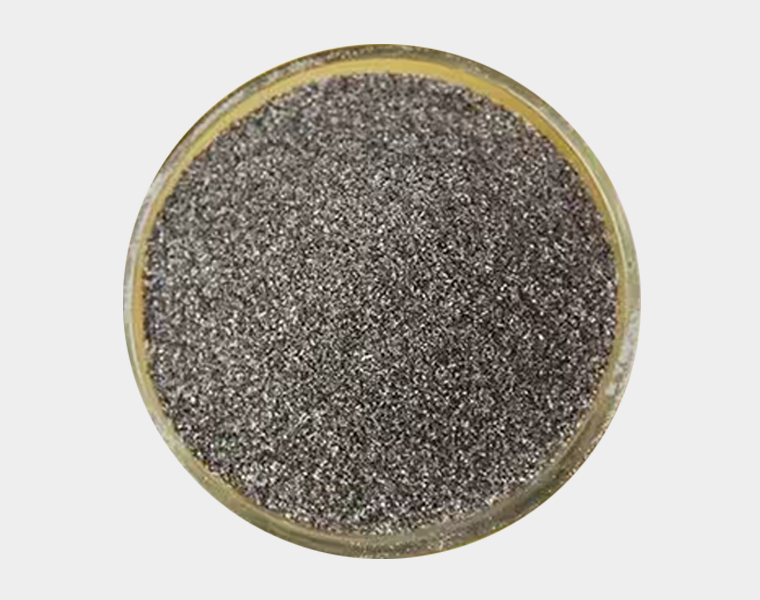
Ordinary sand:
Composition: Ordinary sand is mainly composed of silicate minerals (such as quartz, feldspar, etc.), and also contains small amounts of impurities such as oxides, hydroxides, sulfides, etc.
Source: Ordinary sand is a natural inorganic material that is formed by weathering rocks and washing them with rainwater or rolling them from rocks.
2、 Nature and Characteristics
Reactive sand:
Adjustable: The color and particle size of the reaction sand can be manually adjusted according to actual needs.
Thermal stability and corrosion resistance: Reactive sand usually has high thermal stability and corrosion resistance, and can withstand high temperatures and pressures.
Environmental friendliness: Due to its controllable composition, the reaction sand generates less waste during the production process, which has certain environmental advantages.
Ordinary sand:
Hardness and wear resistance: Ordinary sand has high hardness and wear resistance, suitable for various construction and manufacturing processes.
Chemical stability: Ordinary sand has relatively stable chemical properties at room temperature.
Naturality: As a natural mineral, ordinary sand is relatively inexpensive to purchase and use.
3、 Usage and Application
Reactive sand:
Casting: Reactive sand is mainly used for casting high-precision, high-quality, and high-temperature parts, such as aircraft engines, automotive engines, etc.
Polymer waterproof material: In polymer waterproof rolls, reactive sand is commonly used as a surface anti sticking protective layer.
Other applications: Reactive sand can also be used as a catalyst, adsorbent, desiccant, etc. in chemical reactions.
Ordinary sand:
Architecture: Ordinary sand is an important component of building materials, used for the preparation of concrete, mortar, etc.
Manufacturing tools and crafts: Ordinary sand can be used to manufacture abrasive tools such as grinding wheels and sandpaper, as well as to make certain crafts.
Other applications: Ordinary sand can also be used in various fields such as filling pits, paving roads, water treatment, etc.


 TOP
TOP
TOP
TOP
 添加微信
添加微信